

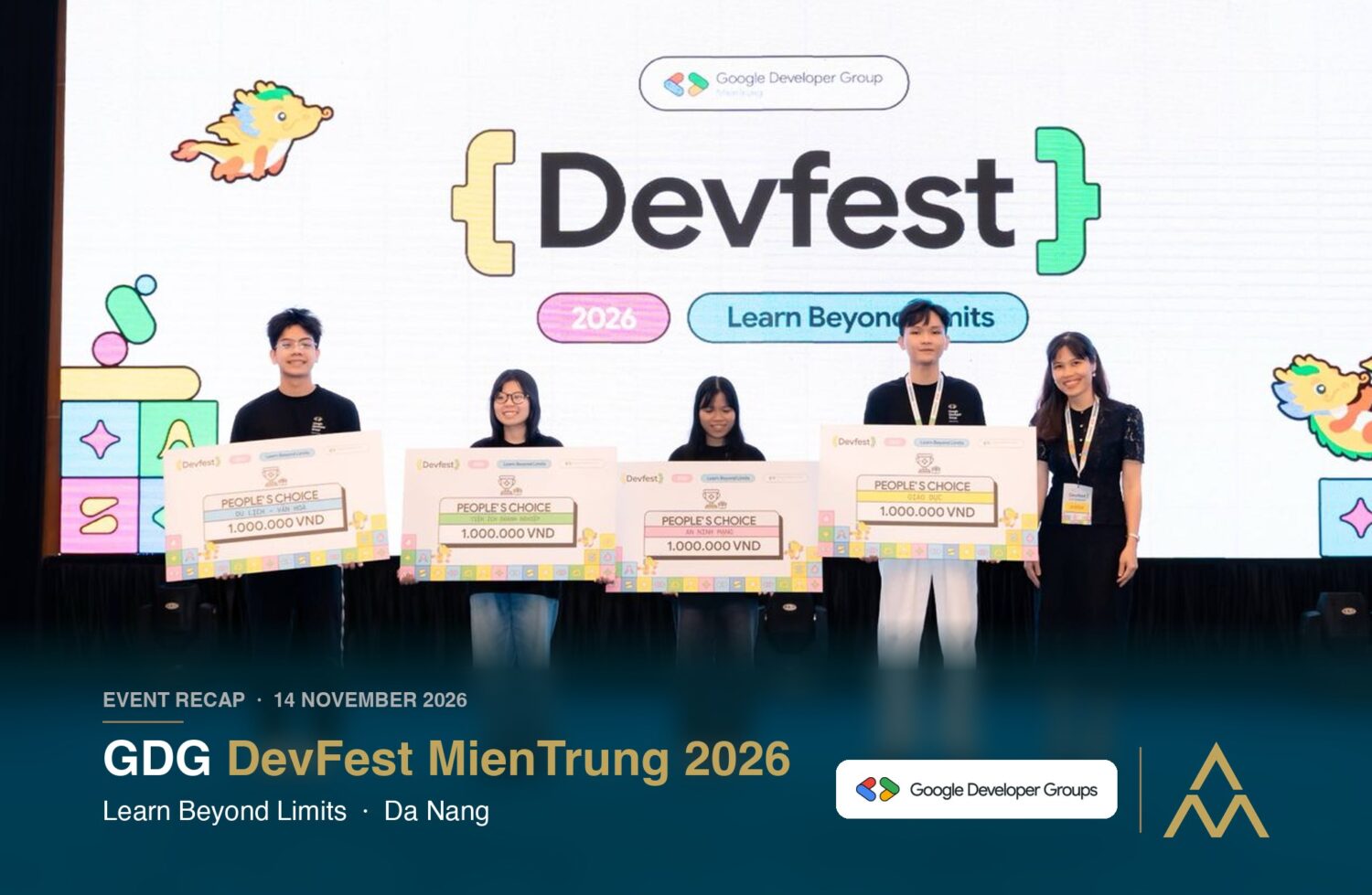
As a member of the judging panel, Alliance Mount looked at a new generation of builders through the question that follows every good prototype: what would it take to become a business?
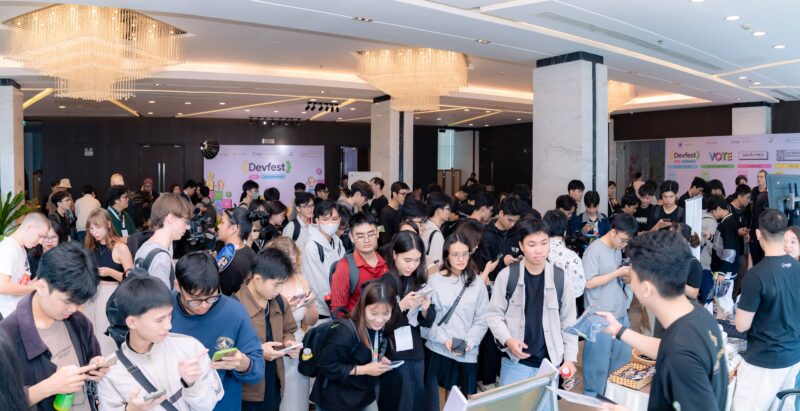
What does it take for a weekend prototype to become something that lasts? That question sat quietly behind GDG DevFest MienTrung 2026, held in Da Nang on 14 November under the theme “Learn Beyond Limits”. Organised by the Google Developer Group MienTrung community with support from the Da Nang Department of Science and Technology and the Da Nang Business Incubator (DNES), the event brought together more than 400 students, developers and technology enthusiasts from across Central Vietnam for a day of coding, learning and building.
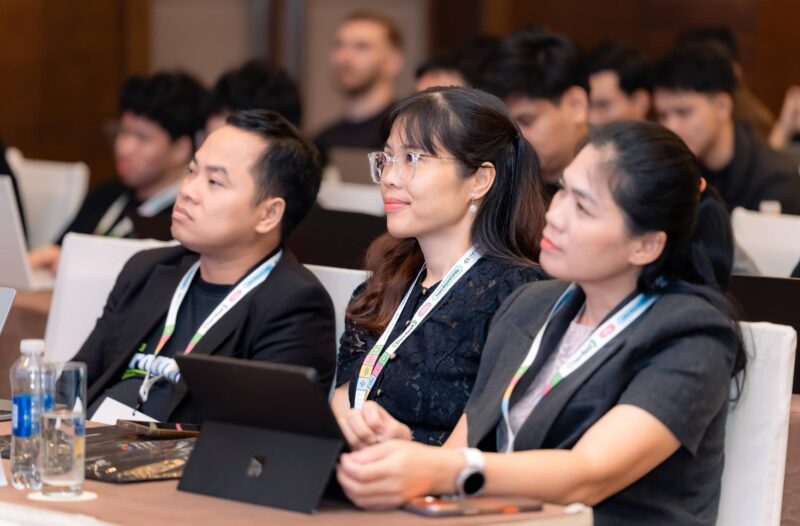
Alliance Mount Group took part as a member of the judging panel for the event’s hackathon. The firm was represented by Ms. Ha Nguyen, Director – Business Development (Central Region). Our participation builds on Alliance Mount’s close collaboration with DNES and its long-term commitment to the innovation ecosystem in Da Nang and the wider Central region.
The day’s clearest lesson was simple: technical talent in Central Vietnam is advancing quickly, and the next step is to pair it with business discipline.
A community learning in the open
DevFest is the annual, community-led conference series hosted by Google Developer Groups around the world. This year’s global season is framed around building, securing and scaling in the agentic era, and the Da Nang edition translated that agenda into a local, hands-on programme. The day combined a hackathon, codelabs, technology talks, exhibition booths and product demonstrations. In a codelab session titled “Explore Generative AI in Agent Platform”, participants worked with free resources provided by Google alongside Google specialists.
Behind the programme is a community with a long track record. GDG MienTrung was founded in October 2015, and its 2025 hackathon marked ten years of activity in the city. The theme “Learn Beyond Limits” fitted that history well. The event is less a showcase than a place where students and early-career engineers learn by doing, in public, alongside peers and practitioners.
In Alliance Mount’s view, this kind of grassroots infrastructure is easy to overlook and hard to replace. Policy support and incubator programmes matter, but a self-organising community that has met year after year for over a decade is what gives a regional ecosystem its depth. It is where future founders, early employees and technical co-founders first meet, test ideas and build trust.
Judging the hackathon
The hackathon was the centrepiece of the day. Teams presented their projects to the judging panel and answered questions from the judges, and prizes were awarded across several categories, including People’s Choice awards in areas such as tourism and culture, education and cybersecurity. The spread of categories reflected how widely young developers in the region are applying AI, from local industries to public-interest problems.
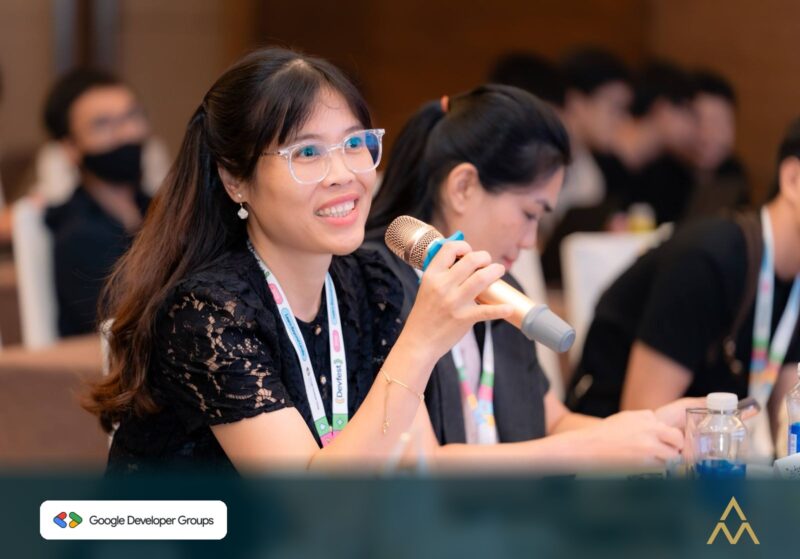
Ms. Ha Nguyen sat on the panel alongside judges from the technology and startup community. Alliance Mount’s role was to bring the perspective of an advisor who works with companies on capital raising, restructuring and M&A, and who therefore looks at a project not only for what it does today, but for what it could become.
From that perspective, a hackathon is an early and honest test. Within a few hours, a team has to define a problem, choose a technology, build something that works and explain it under time pressure. The strongest projects are usually not the most complex. They are the ones where the team can say clearly who the user is, why the problem matters to them, and what would need to be true for the solution to be sustained beyond the event. Those are, in simplified form, the same questions an investor or a strategic partner will eventually ask.
Where learning meets the wider ecosystem
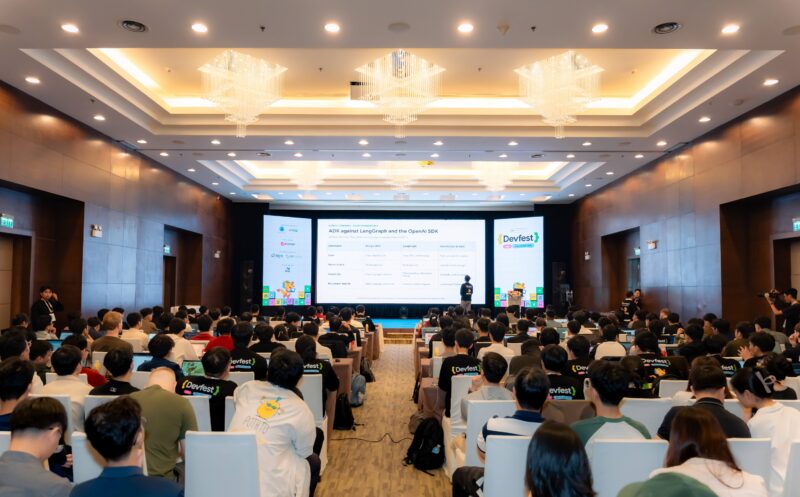
Beyond the competition, the exhibition area and product demonstrations gave participants a chance to meet companies, community groups and support organisations working in the region. For many students, this is a first encounter with the business side of technology: recruitment, partnerships, and the practical steps between an idea and a product.
For Alliance Mount, these conversations are part of the value of being present. Our work in the Central region, and our collaboration with DNES, rests on knowing the ecosystem early, before companies reach the stage of raising institutional capital or considering a transaction. Events such as DevFest make it possible to see how founders think, how teams form and where the region’s technical strengths are concentrating.
The Alliance Mount perspective
Central Vietnam increasingly a place where products are conceived and built. The energy at DevFest MienTrung 2026 suggests that the supply of motivated, technically capable builders is growing. What the ecosystem still needs to strengthen, in our assessment, is the bridge between building and scaling.
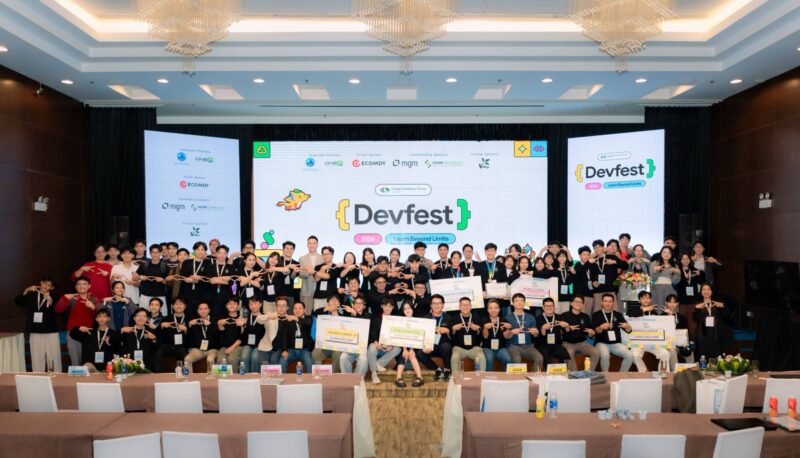
That bridge has several parts. It requires founders who learn early to think about customers, unit economics and governance, not only features. It requires mentors and advisors who can explain what investors and partners look for, and why. And it requires patience: not every project needs outside capital, and the right path depends on a company’s stage, market and readiness. For some teams the right next step is a pilot with a local business; for others it is a co-founder, a grant or an incubator programme rather than an investor.
A strong prototype earns attention. A clear answer to who pays, and why, is what turns a hackathon project into a company. The young builders in Da Nang have shown that they can learn beyond limits. The next lesson, and the one that will shape the region’s startup landscape over the coming years, is learning to build with the discipline that lasting businesses require: preparation, transparency, trust and execution.