


Insights from Citywire Berlin 2026 | 4–6 November 2026
By Thu Nguyen | Co-Founder, Alliance Mount Group | Partner & Portfolio Manager, INFIBA Vermögensverwaltungs AG, Switzerland

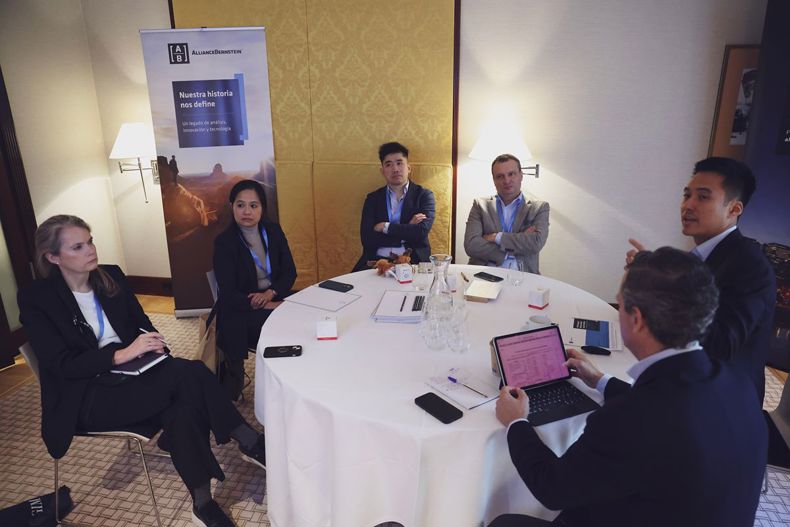
As a seasoned portfolio manager and asset allocator based in Switzerland, I was delighted to receive a warm invitation from Citywire to attend Citywire Berlin 2026, held from 4–6 November at the iconic Hotel Adlon Kempinski. The event brought together more than 200 European fund selectors and 40 leading international asset managers to exchange perspectives on global asset allocation and investment opportunities.
One theme stood out from my discussions: renewed interest in emerging markets (EM), but with a strong emphasis on selective positioning rather than broad market exposure.
Emerging Markets: Looking Beyond Technology
A notable observation was that several emerging-market equity managers were underweight technology relative to their benchmarks, particularly through reduced exposure to China and Taiwan. Instead, they favored overweight positions in commodities, energy, financials and healthcare, seeking attractive valuations, diversified earnings drivers and reduced exposure to technology concentration.
Emerging-market debt also attracted considerable interest, spanning both local-currency bonds, offering attractive real yields and potential currency appreciation, and hard-currency debt, providing income opportunities in USD-denominated sovereign and corporate bonds.
Natural resources were another recurring investment theme, supported by energy security, electrification and infrastructure demand. Even selected frontier markets, such as Nigeria, which returned to FTSE Russell’s Frontier classification in September 2026, were highlighted as potential opportunities for investors willing to accept higher risks.
Vietnam: A Different Story in Public and Private Markets
Vietnam’s upgrade to FTSE Russell Secondary Emerging Market status in September 2026 marks an important milestone for its capital markets.
Interestingly, despite this positive development, Vietnamese listed equities did not feature prominently among the investment preferences discussed by the managers I met in Berlin.
This highlights a fundamental distinction: strong economic growth does not automatically translate into attractive public-market investment opportunities. Global asset allocators remain focused on valuations, liquidity, market accessibility and relative risk-adjusted returns.
Yet in private markets, the picture is quite different.
At Alliance Mount, we continue to receive buy-side demands from international investors seeking direct investment and acquisition opportunities in Vietnam, across both:
- Asset-heavy sectors: Healthcare and hospitals, hospitality, manufacturing, infrastructure and energy.
- Asset-light sectors: IT services, digital payments and payment service providers (PSPs), industrial catering and technology-enabled businesses.
Strategic investors, private equity funds and family offices are seeking established businesses with sustainable earnings, strong management teams and opportunities for operational improvement and regional expansion.

Key Takeaway: Different Markets, Different Opportunities
My strongest takeaway from Citywire Berlin is that international investors are not simply increasing emerging-market exposure; they are becoming more selective about where and how they allocate capital.
While liquid-market investors currently favor selected EM equities, debt, natural resources and frontier-market opportunities, private-market investors are pursuing direct exposure to Vietnam’s long-term economic growth through strategic acquisitions and private equity transactions.

Vietnam may not currently be a leading conviction among the global liquid-market managers I spoke with, but its private markets continue to attract international strategic capital.
For Alliance Mount, this reinforces our mission: bridging global capital with high-potential Vietnamese businesses and transforming investment interest into actionable cross-border transactions.